
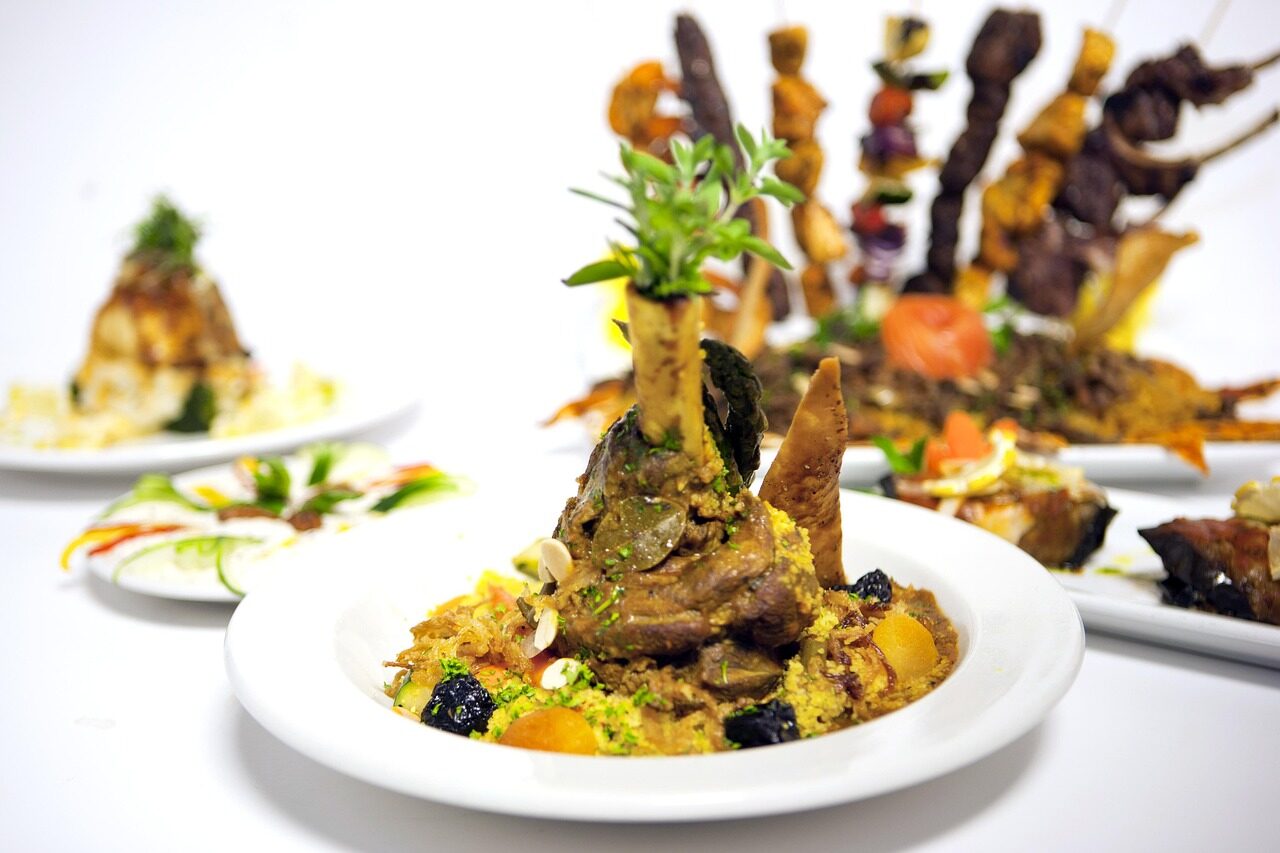
Moroccan cuisine is one of the world’s most celebrated culinary traditions—a rich blend of Berber, Arab, Andalusian, Jewish, and African influences. Known for its bold spices, slow-cooked dishes, and warm hospitality, Moroccan food reflects the country’s deep history and cultural diversity. Every meal is a celebration of flavor, craftsmanship, and the art of sharing.
A Culinary Heritage Rooted in Tradition
Moroccan cuisine is built on fresh ingredients, seasonal produce, and time-honored techniques. The use of earthenware pots, slow cooking, hand-rolled grains, and aromatic spices has been refined over centuries.
The Magic of Moroccan Spices
Spices play a central role in Moroccan cooking, not to overpower but to harmonize flavors. Essential spices include:
-
Cumin
-
Turmeric
-
Ginger
-
Paprika
-
Cinnamon
-
Saffron
-
Ras el Hanout (a signature blend of up to 40 spices)
These spices create the layered, warm, and aromatic flavors that define Moroccan dishes.
Signature Moroccan Dishes You Must Try
Tagine: The Iconic Slow-Cooked Dish
Named after the clay pot in which it’s cooked, the tagine is a symbol of Moroccan cuisine. Slow-cooked over low heat, it comes in many flavorful variations:
-
Chicken with preserved lemon and olives
-
Beef with prunes and almonds
-
Lamb with figs and honey
-
Vegetable tagine with saffron and herbs
Each region brings its unique twist to this beloved dish.
Couscous: A Feast for Fridays
Often served on Fridays, couscous is traditionally hand-rolled and steamed multiple times. It is typically topped with:
-
Seasonal vegetables
-
Tender lamb or chicken
-
Caramelized onions and raisins (tfaya)
-
Warm broth infused with saffron
Couscous is both a comfort food and a cultural ritual.
Harira: More Than a Soup
Harira is a hearty soup made of tomatoes, lentils, chickpeas, noodles, and fragrant herbs. Served especially during Ramadan, it is often paired with dates, chebakia (honey pastries), or hard-boiled eggs.
Pastilla: Sweet Meets Savory
A unique blend of flavors, pastilla is a flaky pastry filled with spiced pigeon or chicken, almonds, cinnamon, and powdered sugar. This Andalusian-influenced dish is often served on special occasions.
Moroccan Bread (Khobz)
Bread is essential to every meal and is used as a utensil to scoop tagines or dips. Moroccan households bake khobz daily—thick, round loaves with a crunchy crust and soft interior.
Street Food & Everyday Favorites
Msemen & Beghrir
Moroccan pancakes enjoyed for breakfast:
-
Msemen: square, crispy, and buttery
-
Beghrir: spongy “thousand-hole” pancakes served with honey and butter
B’ssara
A creamy fava bean soup, especially popular in northern Morocco.
Brochettes
Skewers of grilled meat seasoned with cumin and paprika, sold in markets and along busy streets.
Sfenj
Moroccan doughnuts—light, airy, and perfect with mint tea.
Moroccan Sweets & Desserts
Chebakia
Honey-coated sesame cookies flavored with orange blossom water.
Ghriba
Soft almond or coconut cookies, served with coffee or tea.
Kaab el Ghazal
Delicate crescent pastries filled with almond paste.
Moroccan desserts often combine nuts, honey, orange blossom, and cinnamon, creating rich and fragrant flavors.
Mint Tea: The Symbol of Moroccan Hospitality
No Moroccan meal is complete without a glass of mint tea, also known as “Moroccan whisky.”
Made from green tea, fresh mint, and sugar, it is poured from high above to create a foamy top. It represents:
-
Hospitality
-
Friendship
-
Celebration
-
Daily ritual
Tea is not just a drink—it is an essential part of Moroccan culture.
Why Moroccan Food Is Unforgettable
-
A blend of centuries-old influences
-
Rich spices and bold flavors
-
Slow-cooked dishes made with care
-
Fresh, seasonal ingredients
-
Meals built around sharing
-
Deep cultural symbolism
From the bustling markets of Marrakech to seaside grills in Essaouira and home-cooked meals in the Atlas Mountains, Moroccan cuisine offers an unmatched sensory journey.
 English