Cities & regions·2 min read
Casablanca: the modern metropolis and Morocco's gateway to the world
Art Deco boulevards, a mosque built over the Atlantic and an easy-going seaside corniche. Here's why Casablanca deserves more than a night on the way in.
For many travellers, Casablanca is simply where the plane lands. That’s a shame. Morocco’s largest city and economic capital is unlike anywhere else in the country: fast, modern and outward-looking, with a sea breeze and a skyline. Give it a day and it will show you a side of Morocco the guidebooks often skip.
The Hassan II Mosque
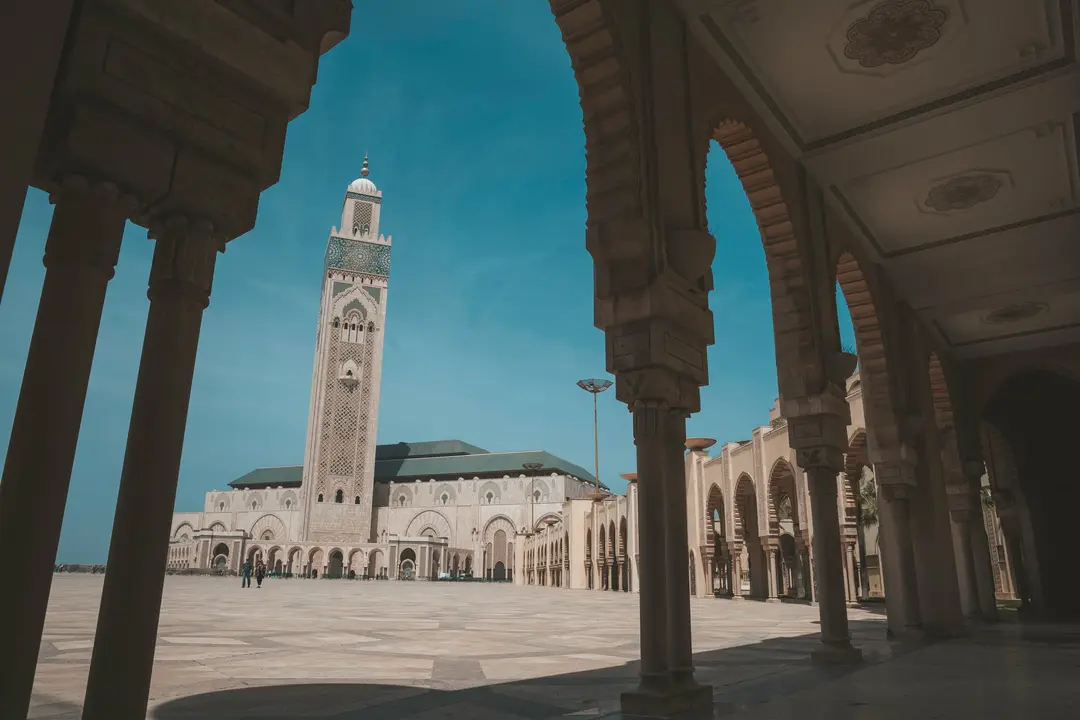
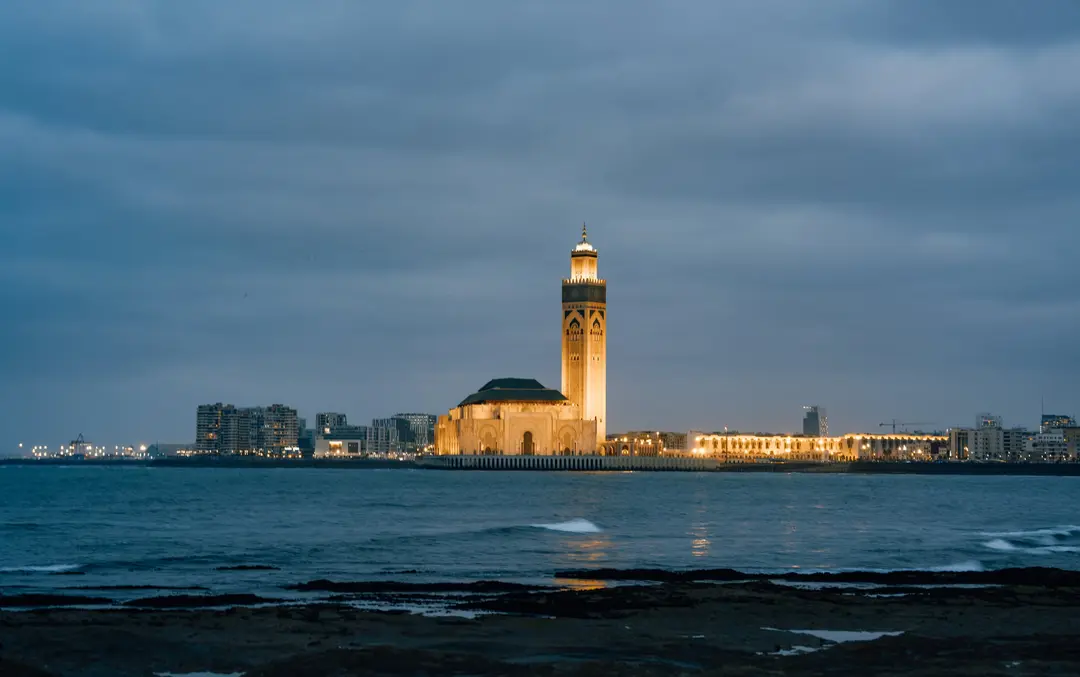
You see it long before you reach it: a minaret 210 metres tall rising from a platform that juts out over the Atlantic. Completed in 1993, the Hassan II Mosque was built by thousands of Moroccan artisans in carved cedar, marble, plaster and zellige. Its prayer hall holds 25,000 worshippers, and the esplanade outside holds many more.
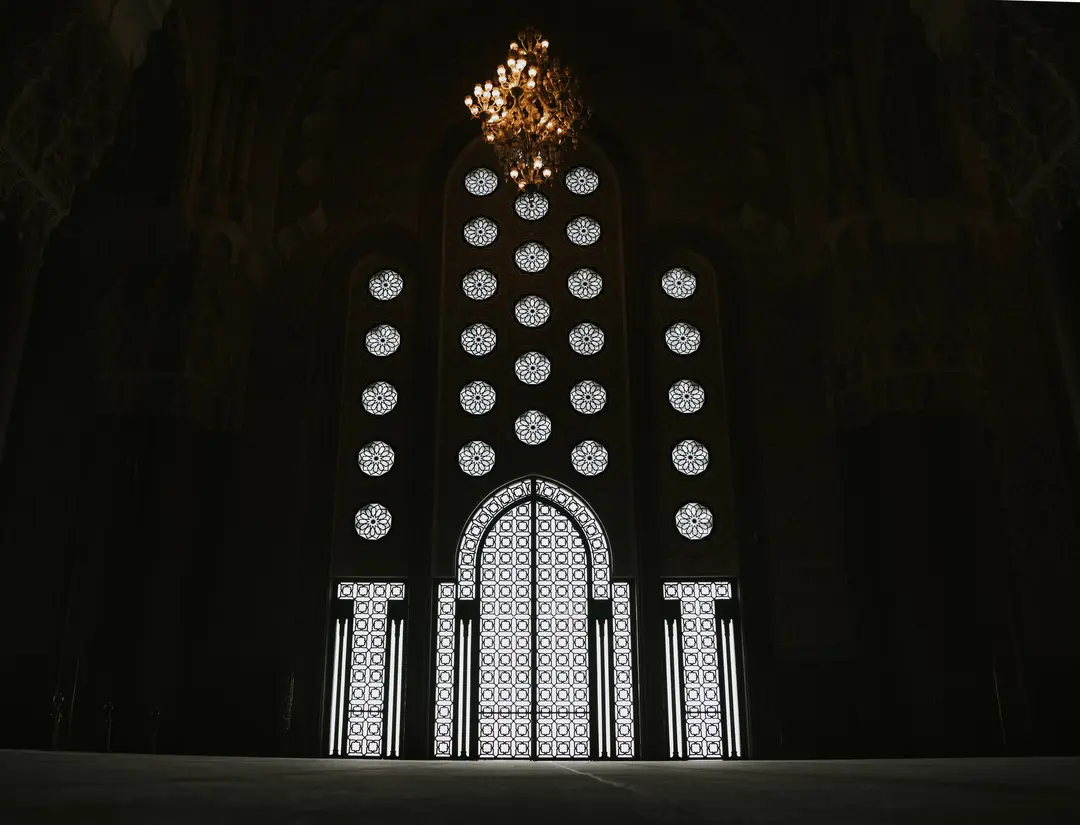
It’s also one of the few mosques in Morocco that non-Muslim visitors can enter, on guided tours held throughout the day except during prayer times. Inside, light filters through carved screens onto a floor that seems to go on forever.
Art Deco on the boulevards
In the 1920s and 1930s, under the French Protectorate, Casablanca was rebuilt as a showcase of modern architecture. Architects blended Art Deco geometry with Moroccan craftsmanship into a style sometimes called Mauresque. Walk along Boulevard Mohammed V, look up at the balconies and carved façades, and stop at the Central Market for oysters and flowers.
Nearby, the Habous quarter was built in the 1930s as a “new medina”. It’s an orderly, arcaded neighbourhood of booksellers, olive merchants and pastry shops, and it’s much calmer than the old souks.
Casablanca shows Morocco at its most modern, and it’s worth a day on its own terms.
The Corniche at Aïn Diab
As evening falls, the city heads to the sea. The Corniche at Aïn Diab is a long seaside promenade lined with beach clubs, cafés and seafood restaurants, and the Hassan II Mosque glows at its eastern end. It’s the best place to watch the sun drop into the Atlantic on your first or last night in Morocco.
Getting in and moving on
Mohammed V International Airport is Morocco’s busiest, with direct flights from Europe, the Americas, Africa and the Middle East. From Casablanca, Rabat is about an hour’s drive away, Chefchaouen and Fes are each within a day, and a high-speed train links the city with Tangier.
That’s why so many of our journeys begin here. Our tours from Casablanca start at the mosque, head north through Rabat and the Rif to Chefchaouen and Fes, cross the Middle Atlas to the Sahara, and finish in Marrakech, with the option of a final stretch by the sea in Essaouira.